What is the best crypto trading strategy in 2026?


The cryptocurrency market has changed drastically in recent years. Following the Bitcoin halving in 2024, the recovery of major altcoins, and the expansion of real-world asset (RWA) tokenization, the sector has entered a period of maturation: less euphoria and much more professionalism. Liquidity has concentrated on major platforms, artificial intelligence has begun to influence trading decisions, and volatility has become more predictable. In this new technical and regulatory context, understanding the best crypto trading strategy in 2026 is essential for those who want to trade consistently and take advantage of market opportunities.
What has changed in how we trade crypto in 2026?
Trading cryptocurrencies in 2026 no longer means just buying and selling digital coins. Today, traders operate in a multichannel environment that includes perpetual futures, flexible staking, copy trading, and algorithmic strategies.
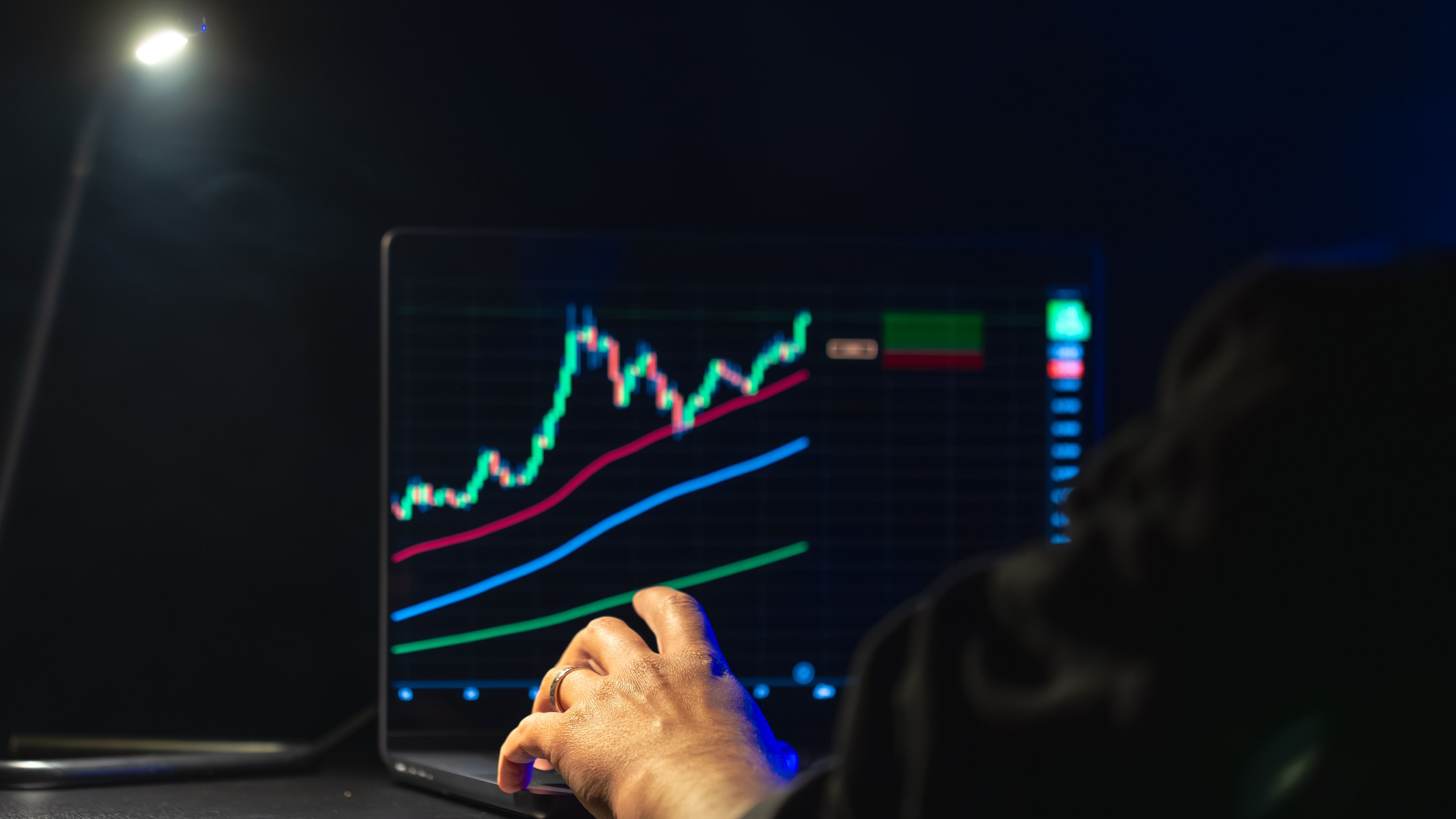
In fact, knowing how to trade crypto in 2026 requires more than just following charts or trends. The modern trader combines technical analysis with AI and automation, uses platforms like WEEX to execute orders with precision, and, above all, understands the macroeconomic context before acting. This strategic approach is what separates those who survive from those who thrive, especially in a scenario where global consulting firms like PwC highlight the potential of crypto assets in the face of international economic uncertainty.
Even so, regardless of the level of sophistication of the tools used, the core principles of trading remain decisive.
In practice, these fundamentals remain essential:
- Strict risk management: never expose more than 1-2% of capital per trade
- Prior planning: define realistic profit targets and loss limits
- Emotional discipline: do not panic during corrections, nor get euphoric during pumps
Example: many traders set automatic alerts based on moving averages and RSI. If the price crosses a technical level, the system opens or closes positions without emotional hesitation.
Modern exchanges allow you to configure all of this from the trading panel, including dynamic stop-loss (an automatic order that limits losses), trailing stop (a moving stop adjustment as the price rises), and margin auto-repay (automatic liquidation of debt in the futures account), helping to maintain control during periods of high volatility.
How do you build the best crypto trading strategy in 2026?
Several cryptocurrency trading approaches have proven their effectiveness over the last few years, reflecting a shift in trader mindset. With the entry into force of the MiCA Regulation, Portugal is in the practical application phase of European rules for crypto assets. The new framework for authorization, supervision, transparency, and user protection makes the ecosystem more professional and reliable for traders and platforms.
In this more mature context, the best cryptocurrency trading strategies in 2026 combine automation, AI, and risk management. The goal is no longer to maximize every move, but to trade with efficiency and consistency.
With this in mind, it is worth analyzing the strategies that have proven most effective in practice:
Hybrid strategies with AI
The combination of Machine Learning models and human technical analysis has reduced the margin of error and made trading more predictable. For example, bots that identify divergences between RSI and volume alert the trader to possible trend reversals.
Correlated pair trading
Trading ETH/BTC, SOL/AVAX, or AI tokens against each other has become popular, allowing for profit from micro-differences in correlation without depending on the overall market direction.
Automatic position management
Automating partial closes, repositioning, and hedging with stablecoins (USDT, USDC) has become common. This protects profits and reduces stress, which is essential for those who day trade crypto.
Arbitrage and advanced copy trading
The growth of copy trading, especially on platforms like WEEX, has allowed new users to replicate winning strategies with integrated risk control. It is a form of practical learning, ideal for those who want to evolve without a steep learning curve.
How do technical analysis and data shape decisions?
Information is now the trader's greatest asset. Tools like TradingView, Glassnode, Santiment, or CoinGlass allow you to cross-reference technical indicators with on-chain metrics (BTC flows, active addresses, and funding rates). This holistic analysis helps to anticipate market movements and adjust strategies in real time.
In fact, in 2026, successful traders do not just look at the chart; they dedicate themselves to interpreting data from various sources before deciding. Those who master this combination have a clear competitive advantage.
Are scalping and day trading still effective?
Both strategies remain relevant, but they require more precision and less improvisation. Scalping in crypto is now almost an exact science: short trades, with minimal margins and instant execution. Scalpers use 1 to 3-minute charts, indicators like VWAP and MACD, and look for moves of 0.2% to 0.5%, dozens of times per day.
Day trading, on the other hand, is better suited for those who prefer to follow the market throughout the day, but without trading constantly. With the help of price alerts, auto-execution bots, and automatic calculation of funding fees, it has become more accessible to individual traders.
Both approaches share a common principle: risk management and consistency outweigh the search for quick profits. In 2026, those who survive are those who know when not to trade.
What are the most frequent mistakes this year?
Despite the advances, some behaviors continue to compromise results:
- Trading under emotion: FOMO is the greatest enemy of rationality
- Ignoring the macroeconomic context: interest rates, inflation, and fiscal policy directly affect risk appetite
- Neglecting taxation: in Portugal, gains obtained from crypto assets held for less than 365 days remain subject to taxation
- Neglecting fees: many traders underestimate the cumulative impact of commissions and funding fees on perpetual futures
Those who keep a detailed record of trades and periodically review their strategy tend to evolve steadily, which differentiates the disciplined trader from the occasional speculator.
How to choose the right strategy for each profile?
There is no universal recipe. Choosing between different crypto trading strategies involves aligning the method with your risk profile, available time, and technical mastery.
- Beginner traders: should start with simple strategies, such as swing trading and moderate copy trading
- Intermediate traders: can experiment with scalping or light arbitrage, always with automated risk management
- Advanced traders: tend to combine technical analysis, AI, and full automation
Example: a professional trader might have 60% of their portfolio in spot positions and 40% in automated futures, adjusting the weight according to weekly volatility.
Regardless of the profile, the secret lies in consistency. A strategy that generates 0.5% daily profit with low drawdown (the maximum drop recorded in a period) is more sustainable than one with sporadic gains and abrupt losses.
What defines success in cryptocurrency trading in 2026?
Success is no longer measured only by the profit obtained, but by the ability to adapt. Winning traders combine technology, knowledge, and discipline. They use AI to detect patterns, risk tools to protect themselves, and maintain a strategic rather than emotional mindset.
Platforms like WEEX offer the ideal environment to apply these practices, with low latency, multiple order types, and integration of analytical data.
In short, the best crypto trading strategy in 2026 is one that combines intelligence, consistency, and flexibility. Those who master this approach have a better chance of navigating an increasingly technical, competitive, and regulated sector.
Disclaimer
WEEX and its affiliates provide digital asset exchange services, including derivatives trading and margin trading, only where legal and to eligible users. All content provided is for informational purposes only and does not constitute financial advice—seek independent guidance before trading. Cryptocurrency trading involves high risk and can result in total loss. By using WEEX services, the user accepts all associated risks and terms. Never invest more than you can afford to lose. Consult our Terms of Use and Risk Disclosure for more details.