Which tokens are actually used in the CIS in 2026: from stablecoins to privacy solutions

Introduction: why the CIS market differs from the rest of the world
The cryptocurrency market in CIS countries is developing according to its own logic. Unlike the US or Europe, where crypto is often viewed as an investment asset or a technological innovation, here it performs a more applied function — it is becoming part of the financial infrastructure.
Restrictions on bank transfers, currency controls, sanctions pressure, and the high popularity of P2P trading have formed a unique ecosystem. In this system, the key role is played not so much by “classic” assets like Bitcoin, but by specific tokens that solve the daily tasks of users.
In 2026, several categories of tokens can be identified that effectively shape the region's crypto economy.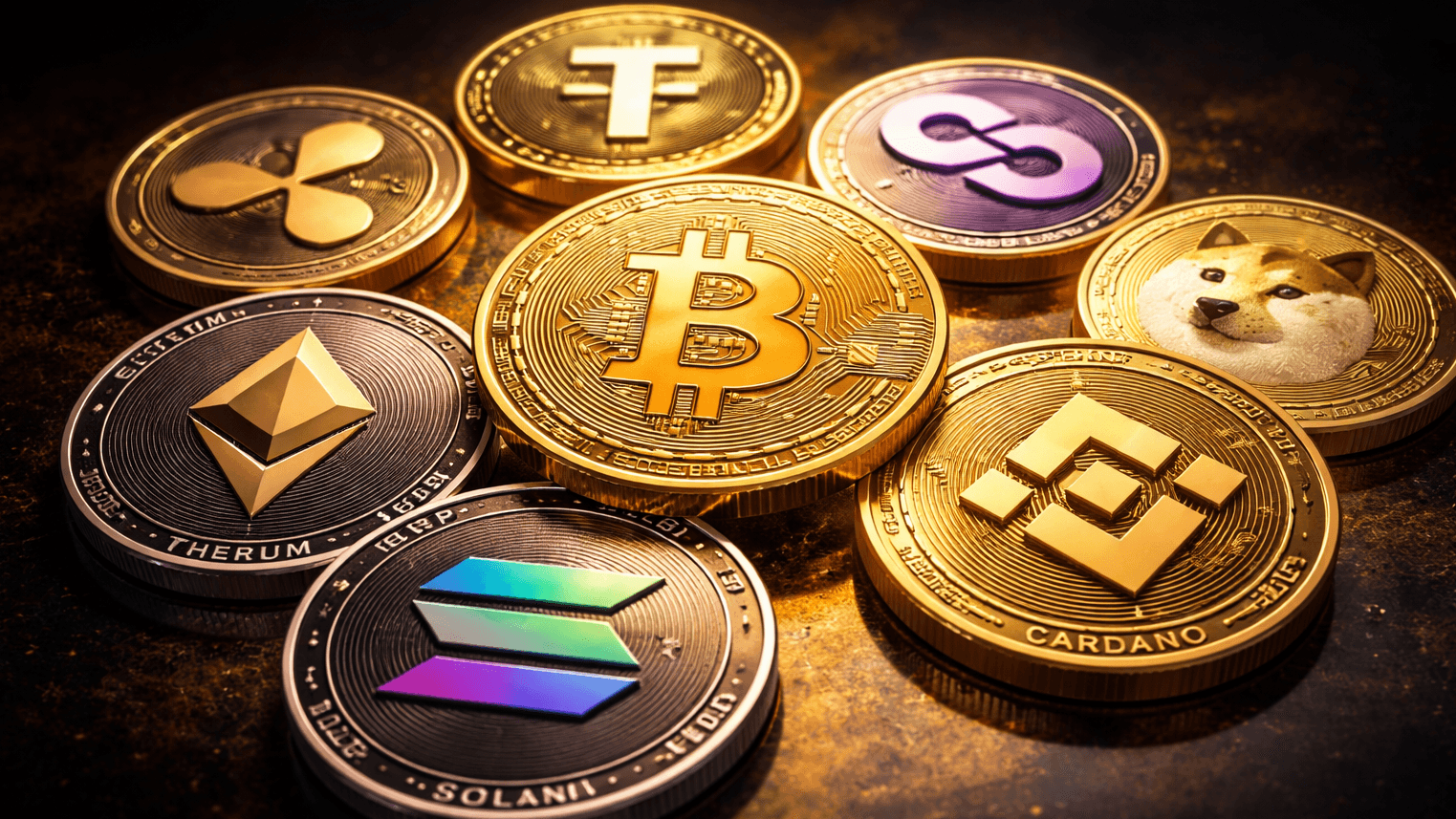
Stablecoins: a digital replacement for the dollar
If one type of token is essential to the CIS market, it is stablecoins. Primarily, this refers to Tether (USDT) and USD Coin (USDC).
These assets have become the de facto digital equivalent of the dollar. They are used for:
- storing funds
- cross-border transfers
- settlements between individuals and businesses
- paying salaries to freelancers
The role of USDT is particularly noticeable, as it dominates the P2P segment. For many users, it replaces a foreign currency bank account.
The reasons for its popularity are obvious:
- exchange rate stability
- high liquidity
- ease of use via centralized exchanges
At the same time, USDC is gradually strengthening its position due to a more transparent model and a focus on regulated markets. However, in the CIS, it still lags behind USDT in terms of accessibility and transaction volume.
Key takeaway: stablecoins in the region are not an investment, but a basic financial tool.
Altcoins: a tool for trading and earning
The second important category is altcoins. In the CIS, they play a much more prominent role than in many Western markets.
Among the most used are:
Their popularity is explained by several factors:
- high volatility (the opportunity to earn quickly)
- a wide selection of trading pairs on exchanges
- active use in ecosystems (DeFi, NFT, transfers)
For example, the TRON network is widely used for transferring USDT due to low fees. As a result, the TRX token has effectively become part of the infrastructure for stablecoins.
Unlike long-term investors in the West, CIS users are more often focused on short-term trading. This creates demand for liquid and “fast” assets.
Altcoins here are not just assets, but a working tool for generating income.
Privacy tokens: a response to increased control
With the tightening of regulation and transaction monitoring, interest in privacy tokens is growing. Primarily, these are:
- Monero (XMR)
- Zcash (ZEC)
These projects offer an increased level of anonymity by hiding addresses, amounts, and transaction participants.
In the context of the CIS, this is becoming especially relevant due to:
- increased financial control
- the risk of asset freezes
- the desire of users to maintain confidentiality
However, this segment has limitations:
- listings on major exchanges are decreasing
- access to liquidity is lower than that of stablecoins
- increased regulatory risks
Nevertheless, privacy tokens continue to be used as a niche tool for specific tasks.
New narratives: AI and utility tokens
Beyond the “basic” categories, new trends are emerging in the market. One of the most notable in 2026 is tokens related to artificial intelligence and data infrastructure.
Examples include:
- Bittensor (TAO)
- Fetch.ai (FET)
These projects combine blockchain and AI, offering solutions for decentralized computing and data exchange.
In the CIS, interest in such tokens is still primarily investment-oriented. They are viewed as an opportunity to profit from a new technological cycle rather than as a daily tool.
Nevertheless, their share in traders' portfolios is gradually growing, especially among more experienced market participants.
Risks: the flip side of the crypto economy
Despite the widespread adoption of tokens, the CIS market remains high-risk.
Key threats include:
- centralization: dependence on stablecoin issuers
- blocks: the possibility of funds being frozen
- regulation: stricter rules for working with crypto
- volatility: sharp price fluctuations of altcoins
Conclusion: how the token market is structured in the CIS
By 2026, the CIS crypto market has formed a clear structure:
- stablecoins act as money
- altcoins are used for trading and earning
- privacy tokens are a tool for confidentiality
- new tokens are an area for growth and speculation
The main difference in the region is the practical application of crypto. Here, tokens are not abstract assets, but real tools for solving financial tasks. This is precisely why the CIS remains one of the most dynamic and adaptive crypto markets in the world.
Where to buy cryptocurrency in 2026?
The best platform for buying cryptocurrencies is an official crypto exchange like WEEX! We offer:
- KYC and 2FA for security
- Low fees
- Support for many cryptocurrencies: ETH, SOL, ADA, and others
- Instant order execution
- Bonuses and coupons for new users - up to 30,000 USDT!
Register now and start trading cryptocurrency safely and with an advantage!
Disclaimer:
WEEX and its affiliates provide digital asset exchange services, including derivatives and margin trading, only where legal and to eligible users. All content is for general information purposes only and does not constitute financial advice — please seek independent consultation before trading. Cryptocurrency trading involves high risk and can result in total loss. By using WEEX services, you accept all associated risks and terms. Never invest more than you can afford to lose. For details, see our Terms of Use and risk disclosure.